
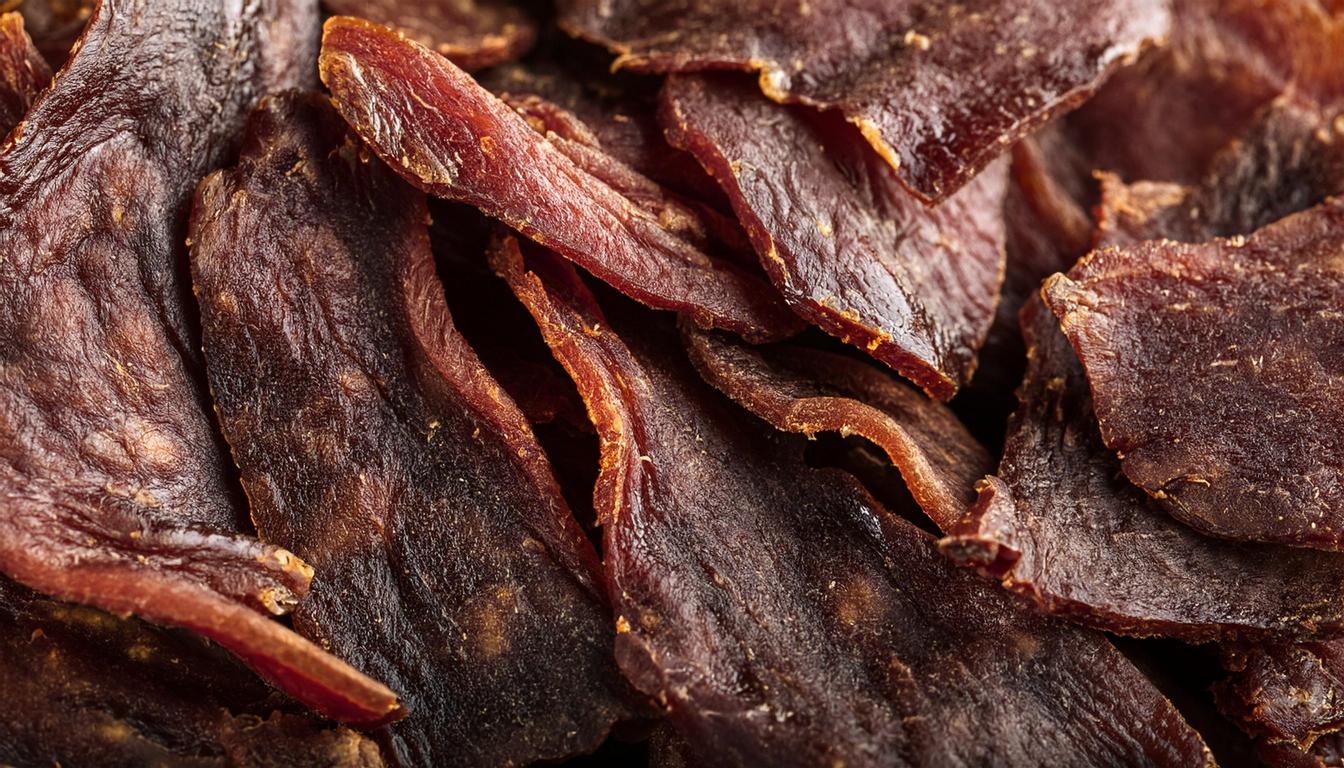
For hunters across the beautiful landscapes of Utah, the successful harvest of wild game is just the beginning of a rewarding journey. The next crucial step is the proper processing of that meat, ensuring both its delicious flavor and safety for consumption. While many experienced hunters have honed their skills over years, newcomers might find the process a little daunting. That’s where services like Utah Game Processing come in, offering invaluable expertise and convenience. However, understanding the basics of game processing is beneficial for every hunter, whether you choose to do it yourself or utilize professional services.
This post will walk you through the fundamental steps involved in processing wild game meat, highlighting key considerations and why professional processors like Utah Game Processing are a valuable resource for Utah hunters.
The Crucial First Steps: Field Care
The quality of your wild game meat starts the moment the animal is harvested. Proper field care is paramount to prevent spoilage and ensure a safe and flavorful product. Here are the essential steps:
- Prompt Field Dressing: Time is of the essence. Gutting the animal quickly removes internal organs that can harbor bacteria and accelerate decomposition. Learn the proper techniques for your specific game to ensure a clean and efficient process.
- Cooling the Carcass: Rapid cooling is critical to inhibit bacterial growth. In cooler weather, hanging the carcass in a shaded, well-ventilated area might suffice. However, especially in warmer conditions, consider quartering the animal and placing the meat in game bags with ice in a cooler.
- Maintaining Cleanliness: Use clean knives and avoid contact with dirt, debris, and fecal matter. Wash your hands thoroughly before and after handling the carcass.
- Transportation: Transport the carcass or processed meat in a clean and cool environment. Avoid leaving it in the sun or in a hot vehicle for extended periods.
The Processing Basics: Breaking Down the Harvest
Once the carcass is properly cooled, the next stage is breaking it down into manageable cuts. This involves several key steps:
- Skinning: Removing the hide is essential for further processing. Different techniques exist depending on the animal and your preference. Take care to avoid contaminating the meat with hair or dirt.
- Quartering (if not already done): Dividing the carcass into larger, more manageable sections (hindquarters, front shoulders, and backstraps) makes further processing easier.
- Deboning: Separating the meat from the bones reduces storage space and prepares it for various cooking methods. This requires careful knife work to maximize meat yield and minimize waste.
- Trimming: Removing excess fat, silver skin (a tough connective tissue), and any bruised or damaged areas improves the flavor and texture of the final product.
- Cutting into Desired Portions: This is where you customize your meat for different meals. Steaks, roasts, stew meat, and grinding meat are common options. Understanding muscle groups and their tenderness will help you make informed decisions.
The Importance of Proper Handling and Hygiene
Throughout the entire processing procedure, maintaining strict hygiene is non-negotiable. This includes:
- Clean Work Surfaces: Ensure your processing area is clean and sanitized before and after use.
- Sharp Knives: Sharp knives make the job easier, safer, and result in cleaner cuts.
- Clean Tools: Wash and sanitize all knives, saws, and other tools regularly.
- Temperature Control: Keep the meat cool throughout the process to prevent bacterial growth.
Why Choose Utah Game Processing?
While learning the basics of game processing is valuable, utilizing a professional service like Utah Game Processing offers numerous advantages for hunters in the state:
- Expertise and Efficiency: Experienced processors have the knowledge and specialized equipment to efficiently and expertly handle your game. They understand the nuances of different species and can provide custom cuts to your specifications.
- Time Savings: Processing a large animal can be a time-consuming and physically demanding task. Utah Game Processing frees up your valuable time, allowing you to focus on other aspects of your hunt or simply relax.
- Reduced Risk of Spoilage: Professionals understand proper cooling, handling, and storage techniques, minimizing the risk of meat spoilage and ensuring a safe product.
- Specialized Services: Many processors offer additional services like grinding, sausage making, smoking, and vacuum sealing, adding variety and convenience to your wild game consumption.
- Compliance with Regulations: Utah Game Processing operates in accordance with all relevant health and safety regulations, giving you peace of mind.
Conclusion:
Processing wild game meat is a fundamental part of the hunting experience. Understanding the basic steps, from proper field care to breaking down the carcass, is essential for ensuring a safe and delicious outcome. While the DIY approach can be rewarding, services like Utah Game Processing provide invaluable expertise, convenience, and peace of mind for hunters across Utah. Whether you’re a seasoned veteran or a novice, knowing your options and understanding the fundamentals of game processing will ultimately enhance your enjoyment of the bounty nature provides. So, the next time you’re successful in the field, consider the journey your meat will take and choose the path that best suits your needs and ensures a delicious meal on your table.